Respiratory therapists who graduate with an AS degree have a great career ahead of them. They can work as bedside clinicians across a range of clinical areas and develop their skills over time across multiple specialties.
But moving up the ladder in the hospital or elsewhere often requires more than just that initial AS in respiratory care. Managerial and other upper-level positions generally call for a bachelor’s degree as well.
Luckily for today’s RTs, online RRT-to-BS degree completion programs abound, giving therapists the chance to earn their BS through at-home study.
We asked members of the AARC Specialty Sections who have completed one of these programs to weigh in on the biggest benefits and challenges. Here’s what six of them had to say.
On your own schedule
Danielle Hardy, BSRT, RRT, RRT-ACCS, earned her online BS from the University of North Carolina at Charlotte early in her career, when most people would have opted for another path entirely.
“I was completing my associate degree while navigating an unexpected transition into motherhood at a very young age,” she explained. Despite caring for a toddler while working the night shift, she was determined to continue her education and maintain her professional growth. “The program allowed me to complete coursework on a schedule that aligned with those responsibilities,” she said.
Hardy also appreciated the chance the program afforded her to network with other therapists and take coursework in neurodiagnostics and sleep medicine through the University of North Carolina at Chapel Hill.
Access to proctored testing centers was a challenge, but she believes the technology surrounding that issue has advanced significantly since she earned her degree.
Kira Berquist, MBA, RRT, RRT-ACCS, RRT-NPS, wanted to expand her career into leadership and education, and knew a BS degree would be key. The online program at Carlow University allowed her to continue working and meet her family obligations while setting her up for future career success.
“It prepared me to successfully pursue graduate education and complete my MBA, and it directly supported my transition into leadership several years ago,” she said “It also opened the door for me to move into education, and I have now been an adjunct for nearly eight years — an experience that has been especially meaningful and rewarding.”
Her biggest challenge was adapting to online learning. “I had never taken an online course before,” said Berquist. “It took some time to become comfortable with the format, expectations, and time management required.”
Brenda Perry, BS, RRT, CPFT, says online degree completion was her only option when she went back to school, since she was already working as a manager at the time. She took advantage of the University of Cincinnati program to earn her degree and says it allowed her to maintain her work-life balance while attending lectures and completing classwork remotely.
Getting up to speed on all the new technology surrounding online learning, such as updated formats for writing papers and researching topics, was her biggest challenge. “It had been 30 years since I was in a classroom setting,” said Perry.
The value of asynchronous coursework
Courtney Southern, BSRT, RRT, was working as a respiratory supervisor when she enrolled in the degree completion program at Boise State University.
“The flexibility of asynchronous coursework was the biggest benefit,” she said. “Being able to complete assignments around a rotating work schedule made the program manageable and sustainable.” She also appreciated that much of the coursework was directly applicable to clinical practice and leadership, allowing her to immediately apply what she was learning on the job.
“The biggest challenge was balancing time and staying disciplined,” said Southern. “Managing full-time work alongside coursework requires strong organization and intentional time management, especially during busier academic periods.”
Candy Spurling, MEd, RRT, RRT-ACCS, who earned her online degree from the Oregon Institute of Technology, also appreciated the program’s asynchronous format, which allowed her to work at her own pace while meeting set deadlines.
Her only source of frustration was instructors in required courses outside respiratory care who were slow to respond, but otherwise, she says, the process was issue-free. It also paved the way for her to earn her master’s degree in education and acquire a faculty position in a community college.
“This degree opens up doors to other avenues,” said Spurling.
Rena Laliberte, BS, RRT, CPFT, FAARC, chose the online program at the University of Kansas School of Medicine to complete her BS degree and appreciated both the online format and the opportunity to attend courses in person locally if she wanted. Those courses were then transferred to the university, saving her some money in the process.
However, she did most of the work online and found it fit well into her lifestyle at the time. “I was able to do the bulk of my coursework at home during the week, on weekends, or during the evening,” she said. ”If I needed to step away for a moment, I would be able to.”
Laliberte’s biggest challenge was adapting to the study-at-home concept. “You have to commit yourself regardless of the flexibility in schedule,” she said. ”I am really an ‘in-person’ learner, and to be dedicated to study and not have an instructor at my ready was a challenge for me.”
Sound bites for success
What would these therapists say to their colleagues who are considering embarking on an online degree completion program? Here are a few sound bites drawn from their best advice:
Take the program seriously and treat it with the same level of commitment as an in-person experience. — Danielle Hardy
Maintain open communication with your professors, especially if you encounter challenges or barriers. They are often willing and able to provide support, guidance, or accommodations to help you succeed. — Kira Berquist
Try to find a reputable program that will take your existing credits (the more, the better). — Brenda Perry
Choose a program that aligns with your long-term career goals and emphasizes leadership and professional growth. — Courtney Southern
Shop around; don’t go to the flashiest or biggest name. There are some great programs that are affordable; you may just have to dig a little. — Candy Spurling
Don’t let anyone convince you that obtaining a bachelor’s degree in respiratory therapy is useless. For me, it changed my position and career path in ways that I never thought possible. — Rena Laliberte
To find CoARC-accredited degree completion programs, go to Find an Accredited Program and select “Degree Advancement” under the “Category” box on the menu.

AARC
Related Articles
Explore our recent posts below.

Is an Online Degree Program Right for You?
Respiratory therapists who graduate with an AS degree have a great career ahead…
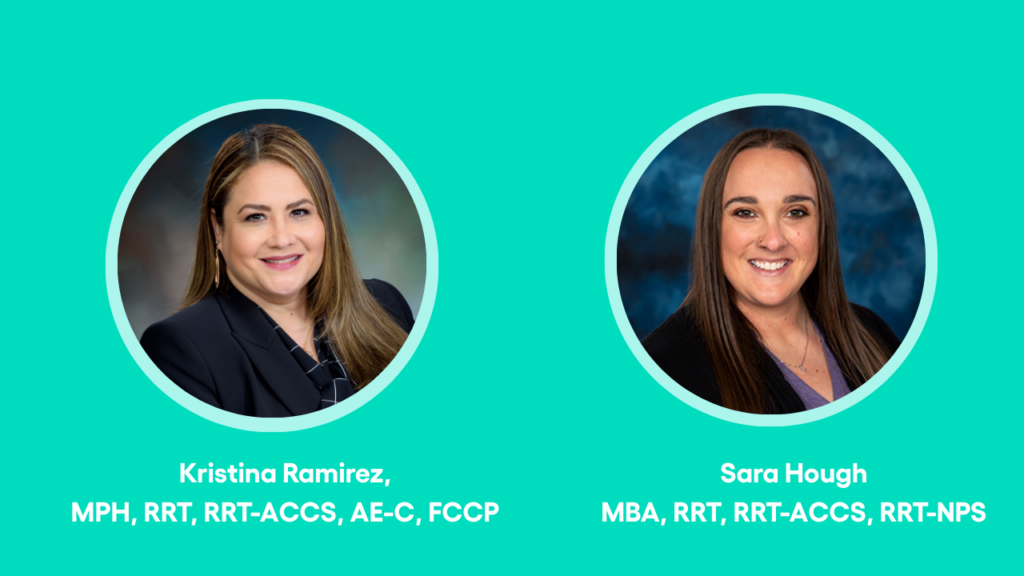
What Does It Take to Become an RT Educator?
Very few, if any, RT students enter their RT programs expecting to teach in a re…
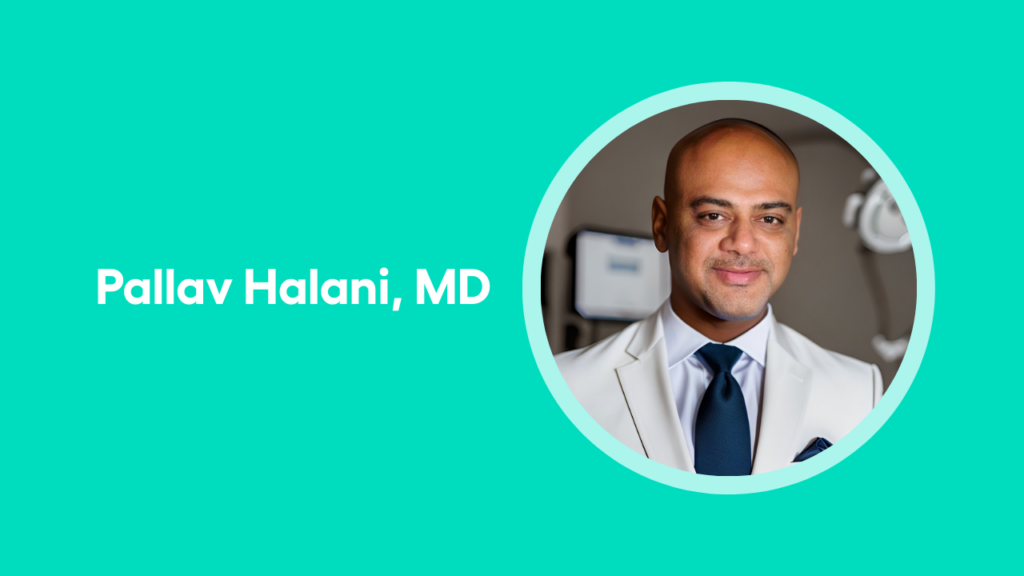
From RT to MD: Halani Shows How Far an RT Can Go
Pallav Halani, MD, came to the U.S. as an international student. Although he alr…
Is an Online Degree Program Right for You?
Respiratory therapists who graduate with an AS degree have a great career ahead…
What Does It Take to Become an RT Educator?
Very few, if any, RT students enter their RT programs expecting to teach in a re…
From RT to MD: Halani Shows How Far an RT Can Go
Pallav Halani, MD, came to the U.S. as an international student. Although he alr…

Tips on Using AI in Your Next Job Search
If you listen to the news, you know artificial intelligence — or “AI” for short…
The next step of your respiratory therapist journey begins now.
The AARC can help you discover your unique path and connect you with thousands of other dedicated RTs.